Stay ahead With Insider reviews, Buying Tips, and Exclusive Perks.

×

Heating Solutions To Keep You Warm This Winter

With a wide range of different heating appliances on the market it can be hard to decide which is the best for you.

Summary

  • There’s various heating solutions on the market, including electric heaters (fan, oil, radiant, convection), gas heaters (radiant or convection), reverse cycle air conditioners, and personal options like electric blankets and heated throws.
  • Gas heaters suit larger areas and long-term use, while electric heaters are portable and ideal for smaller spaces. Radiant heaters offer targeted warmth, and convection heaters provide even room heating.
  • Reverse cycle air conditioners are energy-efficient for whole-home heating. Personal warmers like electric blankets are efficient for individuals, and good home insulation is vital for heat retention.

Banish the winter blues! When you’re in the market for a new heating device, there are various types of heaters on the market; these include electric heaters, oil heaters and gas heaters. Reverse cycle air conditioners offer year-round climate control with heating abilities, and cooling also available. Meanwhile electric fireplaces are great for adding warmth and ambience and electric blankets are popular, energy-efficient personal heating options.

Whatever your needs, space, budget and lifestyle, there’s a heating device available to suit you and your household. In this guide, we outline everything there is to know about the various heaters and heating devices available to help you choose the right one for you.

Gas Heaters

These are ideal for larger areas, and tend to be more cost efficient when used over longer periods of time. Gas heaters tend to come as either radiant or convection. Generally speaking, radiant heaters are best for small spaces or spot heating, and convection for larger areas.
Gas Heaters

Electric Heaters

These are usually cheaper compared to gas heaters, are more portable, and are ideal for heating smaller spaces. Some of the most common varieties of electric heaters include fan, oil,  radiant, and convection.

  • Fan Heaters

Fan heaters are lightweight, and are effective for sending direct warmth into your room. They’re great for personal heating in smaller areas, such as bedrooms and home offices, as they work by quickly blowing air over a heated element to quickly warm your space. While fan heaters offer instant warmth, their fan operation can be noisy and they tend to consume more energy during prolonged use when compared to other heater types.

Fan Heaters

  • Oil Heaters

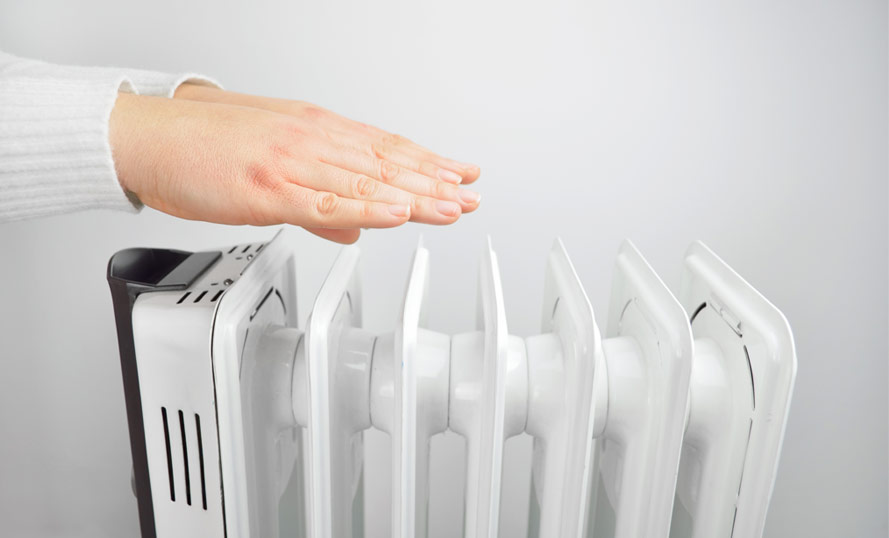
Oil heaters contain a sealed container of thermal oil, which is heated by an internal electrical element. As the oil warms, it circulates within the heater’s fins through convection, transferring heat to the metal surfaces. These surfaces then radiate warmth into the room, creating a gentle and long-lasting heat, making them ideal for consistent, ambient warmth in various room sizes. Oil heaters are often praised for their silent operation and ability to maintain a comfortable temperature.

Oil Heaters

  • Radiant Heaters

Radiant heaters work by directly emitting infrared radiation, which then travels through the air and is absorbed by objects and people, warming them directly. Radiant heaters provide immediate, targeted heat, making them effective for larger spaces like lounge rooms. They are often a budget-friendly option for providing warmth.

  • Convection Heaters

Convection heaters operate by warming the air around them. They draw in cool air, heat it using an internal element, and then release the warmed air. This process creates a natural circulation, or convection current, as the warm air displaces cooler air, which then sinks to be heated, ensuring a more even distribution of warmth throughout the room. While they might take a little longer to heat a space compared to radiant heaters, convection heaters excel at providing consistent, ambient warmth, making them suitable for living areas.

Reverse Cycle Air Conditioners

Reverse Cycle Air Conditioners, powered by heat pumps, provide heating by “reversing” their cooling function. Instead of expelling heat from inside, they extract existing heat from the outdoor air. A refrigerant circulates through an outdoor coil, absorbing this ambient heat, then moves indoors where it’s compressed, increasing its temperature. This heated refrigerant then releases its warmth into the room via an indoor coil, and a fan distributes the resulting warm air, offering an energy-efficient way to heat your home. In summer, use the cooling function of Reverse Cycle Air Conditioners and enjoy a space-saving 2-in-1 climate solution.

Reverse Cycle Air Conditioners

Electric Blankets & Heated Throws

Electric blankets and heated throws offer direct, personal warmth by embedding insulated wires within the fabric. When plugged in, electricity flows through these wires, generating heat that warms the blanket or throw. This warmth then directly transfers to users, providing immediate and efficient comfort. Electric blankets and heated throws are particularly effective for pre-warming beds and maintaining a cosy temperature, making them an energy-efficient option for individual warmth rather than heating an entire room.

How Will You Keep the Heat In?

Along with choosing the right heater or heating device, it’s important to ensure the rest of your home is maximised for heat retention. Make sure your home has been properly insulated – many homes lose huge amounts of heat not only through windows but also through the roof. This may take some investment but in the long run this will save you a lot on energy bills. Also, remember to keep the spaces in front of your heaters clear so the heat can circulate throughout your room.

Click on the link below to explore heaters available in the market and find the perfect heating solution for your space, lifestyle and budget.

VIEW HEATER RANGE

FAQs

Electric heaters are generally more energy-efficient in terms of converting energy to heat and they don't produce direct emissions. Gas heaters, however, can provide a more powerful and quicker heat output, especially for larger spaces, and may be more cost-effective depending on the price of natural gas versus electricity in your area. Installation costs for gas heaters can also be higher than electric heaters due to the need for gas lines and ventilation. Consider what is best for your space, lifestyle and needs.

In terms of direct heat output from the energy consumed, electric heaters are generally considered very energy efficient at the point of use. However, gas heaters vary, with modern models reaching high efficiency rates too, but they can lose energy through combustion and venting.

Electric fireplaces often offer easy plug-and-play installation with no need for chimneys or gas lines. Electric fireplaces are safe, producing no direct emissions or carbon monoxide, and require minimal maintenance. Highly efficient at converting electricity to heat, they're great for zone heating and generally cheaper to buy upfront than traditional options. Modern designs also provide realistic flame effects for ambiance. While they might lack the authentic feel of a real fire, electric fireplaces are an excellent choice for convenient, safe and attractive supplemental warmth.

To stay warm efficiently, focus on heating yourself rather than the entire space. Personal heating devices like electric blankets, heated throws, and heated pads are highly energy-efficient as they apply warmth directly to your body. Layering clothing, using warm socks and slippers, and consuming hot beverages also significantly contribute to personal warmth without requiring much energy.